
English| EUR
Suggested for you
More currencies
Choose a language
Elephant Jungle Sanctuary Phuket operates as a no-riding facility in Kathu District, prioritizing elephant welfare through observation-based interactions. Visitor feedback shapes understanding of what ethical elephant tourism delivers in practice, beyond marketing claims.
Quick answer
Ethical elephant sanctuary phuket reviews for Elephant Jungle Sanctuary Phuket consistently highlight the no-riding policy, natural habitat setting, and educational briefings on elephant behavior and conservation challenges. Guests report meaningful interaction through feeding and bathing activities under keeper supervision. The 2,000 THB conservation fee supports rescued elephants from logging and tourism industries, with proceeds funding veterinary care and habitat maintenance.
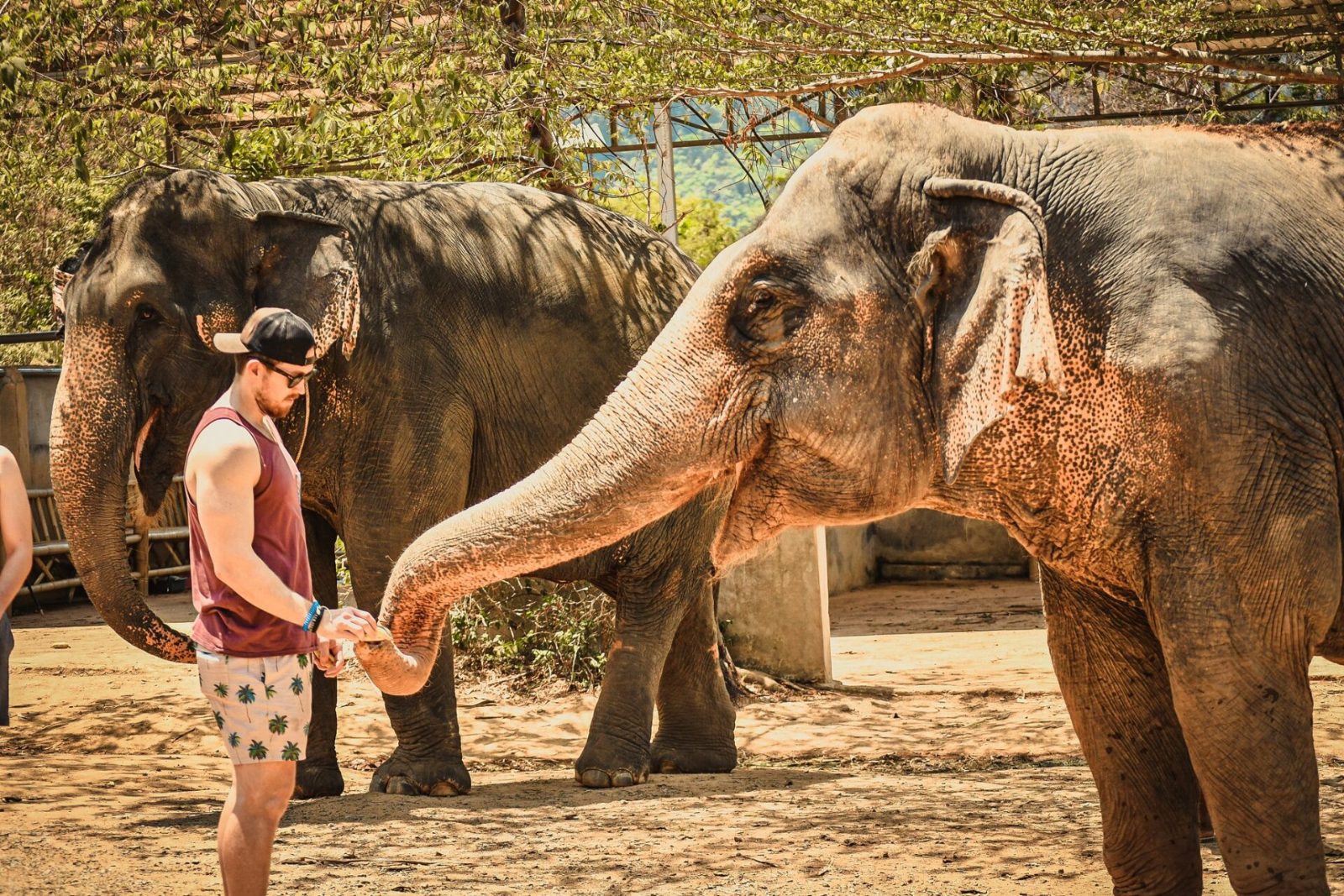
Elephant Jungle Sanctuary Phuket retired its last saddle in 2014, converting from a riding operation to an observation-based model that now serves as a benchmark for responsible elephant tourism in southern Thailand. The sanctuary houses eleven elephants rescued from logging camps and street begging, ranging in age from eight to fifty-three years. Visitor accounts of ethical elephant sanctuary phuket reviews reveal a consistent pattern: the morning briefing sets expectations by explaining trunk sensitivity, herd dynamics, and why riding damages spinal structure. Mahouts demonstrate positive reinforcement techniques using sugarcane and bananas rather than bullhooks. The feeding session allows close-range observation of individual elephant personalities—matriarch Boon Me controls food distribution, while younger bull Pang navigates social hierarchy through patient waiting. The bathing component generates the most detailed feedback in sanctuary reviews. Guests wade into a purpose-built mud pool alongside elephants, using buckets to rinse dust from wrinkled skin. The activity lasts twenty to thirty minutes, timed to elephant comfort rather than photo opportunities. Keepers intervene when tourists approach too closely or attempt unsupervised interaction. This structured approach addresses the core tension in ethical tourism: proximity without exploitation. Conservation impact receives less visitor attention than the experience itself, yet the sanctuary's funding model depends entirely on daily guest fees. No government subsidy or international NGO support exists. The 2,000 THB per-person charge covers veterinary expenses averaging 180,000 THB monthly, plus fruit procurement and land rental. Financial transparency reports appear quarterly on the official website, breaking down expenditure by category. Three full-time veterinarians staff the on-site clinic, treating ailments common in older elephants: arthritis, foot infections, and digestive issues linked to decades of inadequate nutrition. Repeated themes in guest feedback point to the same operational reality: ethical tourism sacrifices spectacle for welfare. No tricks, no performances, no guaranteed Instagram moments. Elephants move freely within the enclosure, sometimes choosing to avoid human contact entirely. That unpredictability, according to returning visitors, defines the sanctuary's legitimacy.
“Ethical tourism sacrifices spectacle for welfare—elephants move freely and sometimes choose to avoid human contact entirely.”
The best arrival window is 09:00–15:00 to minimize heat exposure and manage crowd density. Visiting during this time allows more opportunity for interaction while avoiding the intense midday sun.
Dry and cooler (24°C–31°C)
Peak season provides consistent weather but higher visitor volume.
Hot and humid (27°C–35°C)
Higher temperatures require frequent breaks and hydration during sanctuary activities.
Frequent rain, humid (25°C–32°C)
Lower visitor numbers often result in more personal interactions with the elephants.
—
Early arrival helps avoid peak crowd clusters found on weekends.
Verdict: For the most balanced experience, aim for weekday mornings during the shoulder months of May or October.
Elephant Jungle Sanctuary Phuket maintains a consistent schedule, operating seven days a week to accommodate visitors. The facility remains open during the same daily hours throughout the year.
Elephant Jungle Sanctuary Phuket is located in the Kathu District at 2/12 Moo 6. Most visitors reach the site by booking private transfers or using taxi services due to the limited public transportation infrastructure in the immediate area.
Direct drive to 2/12 Moo 6, Kathu
Route 4020 to Kathu District
Pre-arranged transport to the sanctuary
The site is best reached by private vehicle or pre-arranged transport. Aim for the 09:00–15:00 arrival window to ensure you have sufficient time for your interaction with the elephants.
Elephant Jungle Sanctuary Phuket operates as a no-riding facility where visitor behavior directly affects animal welfare. Follow these conduct guidelines to support ethical treatment during your visit.
A few practical steps ensure you're ready for the day's activities at Elephant Jungle Sanctuary Phuket.
Everything you need to know about ethical elephant sanctuary phuket reviews
Most ethical elephant sanctuary phuket reviews emphasize the importance of observation-based interaction rather than riding. Visitors frequently comment on the educational aspects of the experience and the obvious care provided to the rescues. The feedback consistently points toward the facility's commitment to creating a sustainable environment for the herd. Prospective guests often read these accounts to understand the day-to-day animal enrichment activities.
Yes, the entrance fee is 2,000 THB per person for the Feed & Shower experience. This conservation fee supports the ongoing rescue and habitat maintenance efforts at the facility. It is important to verify this amount when planning your budget for the day. No additional hidden costs are typically required for the standard program.
The primary rule at this location is to prioritize the comfort and natural behaviors of the pachyderms. Staff provide specific instructions upon arrival to ensure safe and respectful contact during feeding or observation sessions. Reading ethical elephant sanctuary phuket reviews can help you understand these guidelines before you arrive. Compliance with these rules is essential for maintaining the sanctuary's high welfare standards.
Guests often praise the sanctuary's hands-off philosophy, which allows the animals to socialize naturally in their habitat. Many testimonials note the absence of bullhooks or aggressive training methods. This approach is highly valued by travelers seeking an ethical alternative to traditional animal tourism. The transparent communication from the guides regarding animal health is frequently cited as a highlight.
The recommended arrival window is 09:00–15:00 to maximize your time with the herd. Arriving early helps you avoid the peak midday heat, making the outdoor experience more comfortable for both guests and the elephants. This timeframe is consistent with the facility's daily operating hours. Planning your trip within these hours ensures you can participate in all scheduled activities.
Families are welcome, and many visitors find that children benefit greatly from learning about elephant biology and conservation. Adults often consult ethical elephant sanctuary phuket reviews to see if the pace of the experience is suitable for younger travelers. Staff are trained to assist children in interacting safely with the elephants. It remains a popular choice for educational family outings in the region.
Many visitors find the booking process straightforward via the official website. Reviews often highlight the clarity of the pre-visit information provided once a booking is confirmed. Travelers appreciate being able to secure their spot in advance to ensure availability. The official site is the primary resource for confirming your visit details.
It is recommended to bring comfortable clothing, sunscreen, and a change of clothes, as you may get wet during the shower experience. Proper footwear is also advised for walking on natural, uneven terrain within the sanctuary grounds. Preparing for a day in a tropical outdoor setting will ensure you remain comfortable throughout the visit. Staying hydrated is a simple yet vital part of your preparation.